
The First 72 Hours: Catastrophe Response for Property Owners
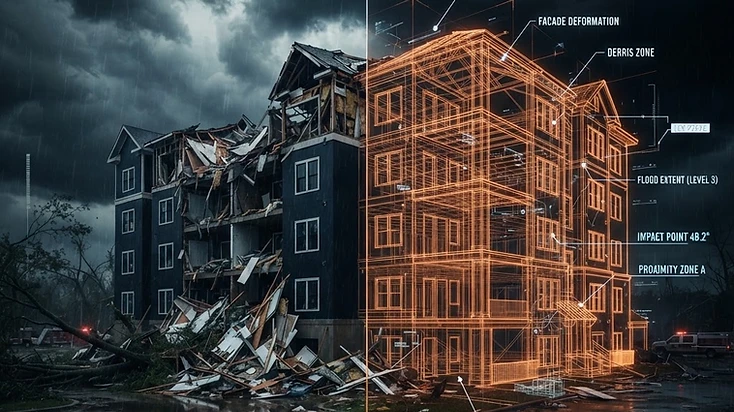
After a catastrophe, the decisions made in the first three days shape the entire loss. Stabilize, document, then scope.
Catastrophe compresses judgment. In the first 72 hours after a hurricane, flood, or fire, owners are pressured to sign scope, authorize demolition, and begin repairs before the loss has been read. The decisions made in that window tend to define the entire claim—and most of the avoidable cost lives there too.
The discipline is sequencing. Stabilize first. Stop further damage: tarp the roof, extract standing water, secure the opening, protect undamaged property. Stabilization is covered, expected, and the one action that should move quickly. Document second. Before anything is removed, record it. Photograph the full scope of damage from multiple angles with scale and location. Capture conditions as they are—not after debris is pushed aside or wet materials pulled. Then scope. Only once the building's condition is stabilized and recorded does scoping begin to mean something.
The temptation in catastrophe is speed. Speed without sequence produces scope built on incomplete evidence—repaired before the damage was understood, paid for before the cause was isolated, and reopened months later when the hidden migration surfaces. Catastrophe losses are where the gap between a documented loss and an undocumented one is widest, because the conditions disappear fastest.
An independent consultant's value in those first 72 hours is not another opinion. It is a hand on the sequence: stabilize, document, then scope. The order protects the owner's recovery, the carrier's position, and the integrity of the building that still has to stand after the claim is closed.