
If It Isn't Documented, It Didn't Happen
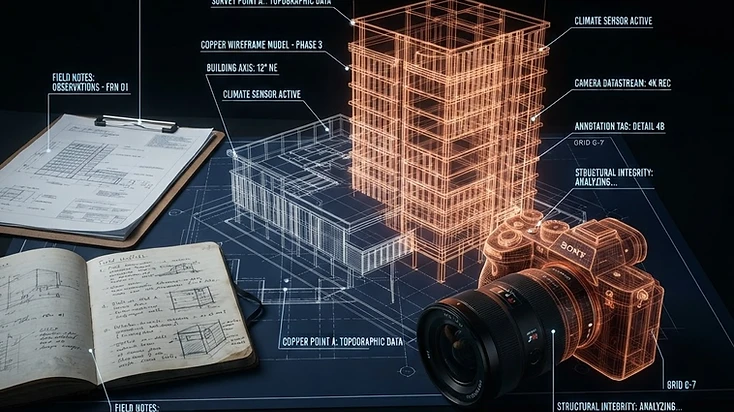
Documentation is not paperwork after the work. It is the work's memory—and the only version that survives a dispute.
There is a reason every property loss eventually becomes a paper case. Memories fade. Crews move on. Conditions get covered over by repair. The only version of the loss that survives is the one that was recorded while the building was still telling its story.
Documentation is not a step that follows the assessment; it is the assessment. Photographs with location and scale, condition notes tied to a floor plan, moisture readings with dates, invasive openings noted and re-sealed—these are the evidence basis everything downstream depends on. Scope, pricing, coverage, and any later dispute resolution all attach to this record. If it is thin, the position is thin. If it is complete, the position can be defended years later by someone who never stood in the room.
The standard is simple: another qualified professional should be able to understand the building's condition from your documentation alone. If they would have to guess at a measurement, a location, or a sequence, the gap is where an opposing opinion will live.
Good documentation also protects the honest parties. A contractor's work is verifiable. An adjuster's position is auditable. An owner's loss is demonstrable. The record becomes the common ground that lets resolution happen on facts instead of who can argue longer. If it isn't documented, it didn't happen is not cynicism. It is the operating rule of every loss that ends well.